

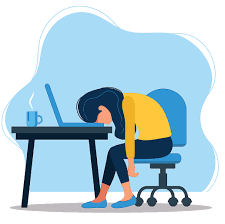
Mental stress is a common part of daily life. From work-related stress to personal problems, we all experience stress in some form or another. While some stress can be helpful in motivating us to take action, prolonged and chronic stress can have negative effects on our health, including our body weight. In this article, we will explore the effects of mental stress on body weight.
One of the ways that mental stress can affect body weight is through the hormone cortisol. Cortisol is a hormone produced by the adrenal glands in response to stress. When cortisol levels are high, it can lead to increased appetite and cravings for high-calorie foods, especially those that are high in sugar and fat. This is because cortisol increases blood sugar levels, which in turn can cause cravings for foods that will quickly provide energy, such as sugary snacks. Over time, consuming these types of foods can lead to weight gain and an increased risk of developing health problems such as type 2 diabetes and heart disease.

In addition to cortisol, stress can also affect other hormones that are involved in regulating appetite and metabolism. For example, chronic stress can lead to imbalances in the hormones leptin and ghrelin, which regulate hunger and satiety. When these hormones are out of balance, it can lead to overeating and weight gain.
Stress can also affect our sleep patterns, which in turn can affect our body weight. Lack of sleep has been linked to weight gain and obesity. When we don’t get enough sleep, it can lead to increased levels of the hormone ghrelin, which stimulates appetite, and decreased levels of the hormone leptin, which signals the brain to stop eating. This can lead to overeating and weight gain over time.
Finally, stress can also affect our behaviour and habits related to food and physical activity. For example, when we’re stressed, we may be more likely to skip meals, eat quickly, or eat on the go, all of which can lead to overeating and weight gain. Additionally, when we’re stressed, we may be less likely to engage in physical activity, which can also contribute to weight gain over time.
In conclusion, mental stress can have negative effects on our body weight in a number of ways. It can affect our hormones, sleep patterns, and behaviour related to food and physical activity. To mitigate the negative effects of stress on body weight, it’s important to practice stress management techniques such as meditation, yoga, or deep breathing exercises, as well as to prioritize healthy eating habits and regular physical activity. By taking steps to manage stress, we can not only improve our mental health but also promote a healthy body weight and reduce our risk of developing chronic health problems.